

TapLocal App provides a free, plain-English review analysis for local businesses. This guide explains how sentiment analysis works, why it matters, and how to use it to improve your local search visibility. We cover the core components of a review intelligence report and how to implement a review strategy without violating platform policies.
What is Sentiment Analysis?
Sentiment analysis is the process of using natural language processing to determine the emotional tone of a piece of text. In the context of local business reviews, it identifies whether a customer is expressing satisfaction, frustration, or neutrality. This technology allows business owners to process hundreds of reviews quickly and identify recurring themes that might be missed by manual reading.
The Role of AI in Review Intelligence
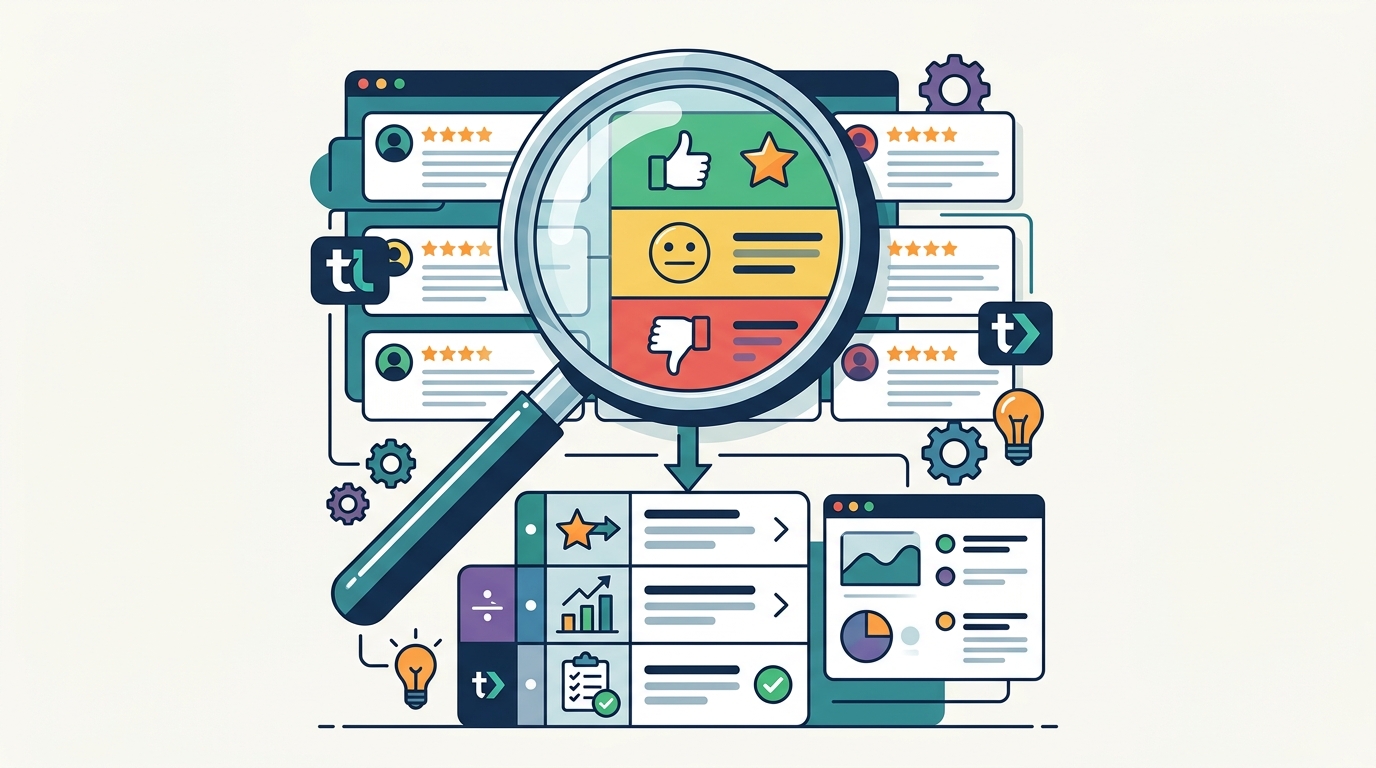
Modern review analysis tools use AI to categorize feedback into specific buckets, such as service quality, pricing, or staff behavior. For example, a report might highlight that 40% of reviews mention "friendly staff" while 15% complain about "long wait times." This granular data helps owners prioritize operational improvements. TapLocal App uses this technology to build the TapLocal Intelligence Report, which translates raw review data into actionable insights.
Defining the Core Components
A review intelligence report is a document that summarizes the key themes found in a business's public reviews. It is not a statistical study or a legal opinion, but rather a courtesy analysis of publicly available information. The report typically includes a summary of praise, a list of common complaints, and a recommended next step for improvement. This format ensures that business owners can understand their reputation at a glance.
Why Reviews Matter for Local SEO
Reviews are a critical ranking factor for local search engines. When a customer searches for a service near them, the algorithm considers the quantity, quality, and recency of reviews to determine which businesses to display. A business with a steady stream of recent, positive reviews is more likely to appear in the local pack, which is the top section of search results. This visibility directly impacts foot traffic and phone calls.
The Impact of Review Velocity
Review velocity refers to the rate at which a business accumulates new reviews. Search engines view a consistent flow of new reviews as a sign of an active and reputable business. A profile that has not received a review in several months may appear outdated, even if the business is operating normally. By making it easy for customers to leave feedback, businesses can maintain a healthy review velocity that supports their local search ranking.
Trust and Conversion
Beyond ranking, reviews influence conversion rates. Potential customers read reviews to gauge the trustworthiness of a business before making a purchase. Positive reviews that mention specific details, such as "the technician explained the problem clearly," build trust more effectively than generic five-star ratings. Negative reviews, when handled well, can also demonstrate a business's commitment to customer service. This dynamic makes review management a core component of local marketing strategy.
How to Get a Free Review Report
Obtaining a free review analysis is straightforward for most local businesses. The process typically involves providing the business name and location, or a link to the Google Business Profile. The service then retrieves the public reviews and runs them through its analysis engine. TapLocal App offers this service as a courtesy to local businesses, allowing owners to see what their customers are saying without any obligation to purchase a product.
Step-by-Step Process
First, the business owner submits a request through the provider's website. Next, the provider verifies the business's public listing to ensure the data is accurate. Finally, the provider generates the report and delivers it via email or a client portal. The report is built exclusively from the business's own public reviews, ensuring that the analysis is relevant and specific to that location. This approach respects the privacy of the business while providing valuable insights.
What to Expect in the Report
A comprehensive report will include a summary of the overall sentiment, a breakdown of key themes, and specific examples of reviews that support those themes. It may also highlight patterns, such as a particular staff member being praised frequently or a specific service being criticized. The goal is to provide a clear picture of the business's reputation and identify areas for improvement. This information can be used to train staff, adjust processes, or address customer concerns.
Comparing Review Analysis Tools
There are several types of tools available for review analysis, ranging from simple dashboards to advanced AI-driven reports. Each type serves a different purpose and has its own strengths and limitations. Understanding the differences can help business owners choose the right tool for their needs.
| Tool Type | Primary Function | Best For | Limitations |
|---|---|---|---|
| Basic Dashboard | Displays star ratings and review counts | Monitoring overall volume | Lacks detailed thematic analysis |
| AI Sentiment Report | Identifies themes and emotional tone | Understanding customer feedback | May require manual verification of insights |
| Review Management Platform | Allows responses and monitoring across platforms | Active reputation management | Often requires a paid subscription |
When selecting a tool, consider the specific needs of your business. A simple dashboard may be sufficient for a business with a small number of reviews, while a larger operation may benefit from a more detailed AI-driven report. It is also important to ensure that the tool complies with platform policies regarding review solicitation and management.
Key Takeaways
- Sentiment analysis is the use of AI to determine the emotional tone of text, such as customer reviews.
- A review intelligence report is a summary of key themes found in a business's public reviews.
- Review velocity, or the rate of new reviews, is a significant factor in local search rankings.
- Free review analysis tools can provide valuable insights without a financial commitment.
- Positive reviews that include specific details build more trust than generic ratings.
- Businesses should use review data to identify operational improvements and train staff.
- It is important to choose a review tool that complies with platform policies and does not incentivize reviews.
- TapLocal App offers a free, plain-English report that helps local businesses understand their reputation.
Frequently Asked Questions
Is the TapLocal Intelligence Report really free?
Yes, the TapLocal Intelligence Report is a courtesy service provided at no cost to local businesses. It is designed to help owners understand their current reputation and identify areas for improvement. There is no obligation to purchase any other products or services.
How does the sentiment analysis work?
The analysis uses natural language processing to read the text of public reviews. It identifies keywords and phrases that indicate positive, negative, or neutral sentiment. The system then groups these reviews into themes, such as "service quality" or "pricing," to provide a structured overview of customer feedback.
Can the report identify specific staff members?
If customers mention specific staff members by name in their reviews, the report can surface those patterns. This allows business owners to recognize and reward employees who are consistently praised, or to address concerns with staff who are frequently mentioned in negative reviews.
Does the report cover reviews from other platforms?
The TapLocal Intelligence Report is built specifically from Google reviews. It does not include data from other platforms such as Yelp or Facebook. This focus ensures that the analysis is relevant to the primary source of local search visibility.
Is it okay to offer incentives for reviews?
No, offering incentives for reviews violates the policies of major platforms like Google. Businesses should make it easy for customers to leave honest reviews, but they should not offer rewards, discounts, or other benefits in exchange for feedback. This ensures that the reviews remain authentic and trustworthy.
How often should I review my report?
It is a good practice to review your report quarterly or whenever you notice a significant change in your star rating. Regular reviews allow you to track trends over time and ensure that any operational issues are addressed promptly. This ongoing monitoring helps maintain a positive reputation and supports local search performance.
Conclusion
Understanding your reputation is the first step in improving it. By using free review analysis tools, local businesses can gain valuable insights into what their customers think and how they can better serve them. TapLocal App provides a straightforward way to access this information, helping owners make data-driven decisions that enhance their local search visibility and customer satisfaction. To get started, you can request your free report today.